Backed by science. Built for ADHD.
Accessible, high-quality support for ADHD is a necessity.
At Shimmer, we are committed to raising the bar for non-clinical support by grounding our work in rigorous research, measurable outcomes, and meaningful change. Our commitment is simple: to lead with evidence, deliver with excellence, and ensure every person with ADHD has the tools they need to thrive.
Explore how our research-driven approach helps ADHDers succeed on their own terms.




Where science meets everyday ADHD
We strive to provide evidence-based, culturally sensitive, and effective support for individuals with ADHD. The Shimmer Program combines the best of:
Measurable results that last
Across hundreds of thousands of data points and thousands of member journeys, we track outcomes through structured quality assurance processes which includes post-session surveys, monthly feedback loops, and longitudinal tracking. This systematic approach gives us a reliable picture of member progress and ensures accountability for sustained autonomous change. The evidence demonstrates not only short-term improvements but also lasting gains in how members move towards their vision of good life and achieve their goals.
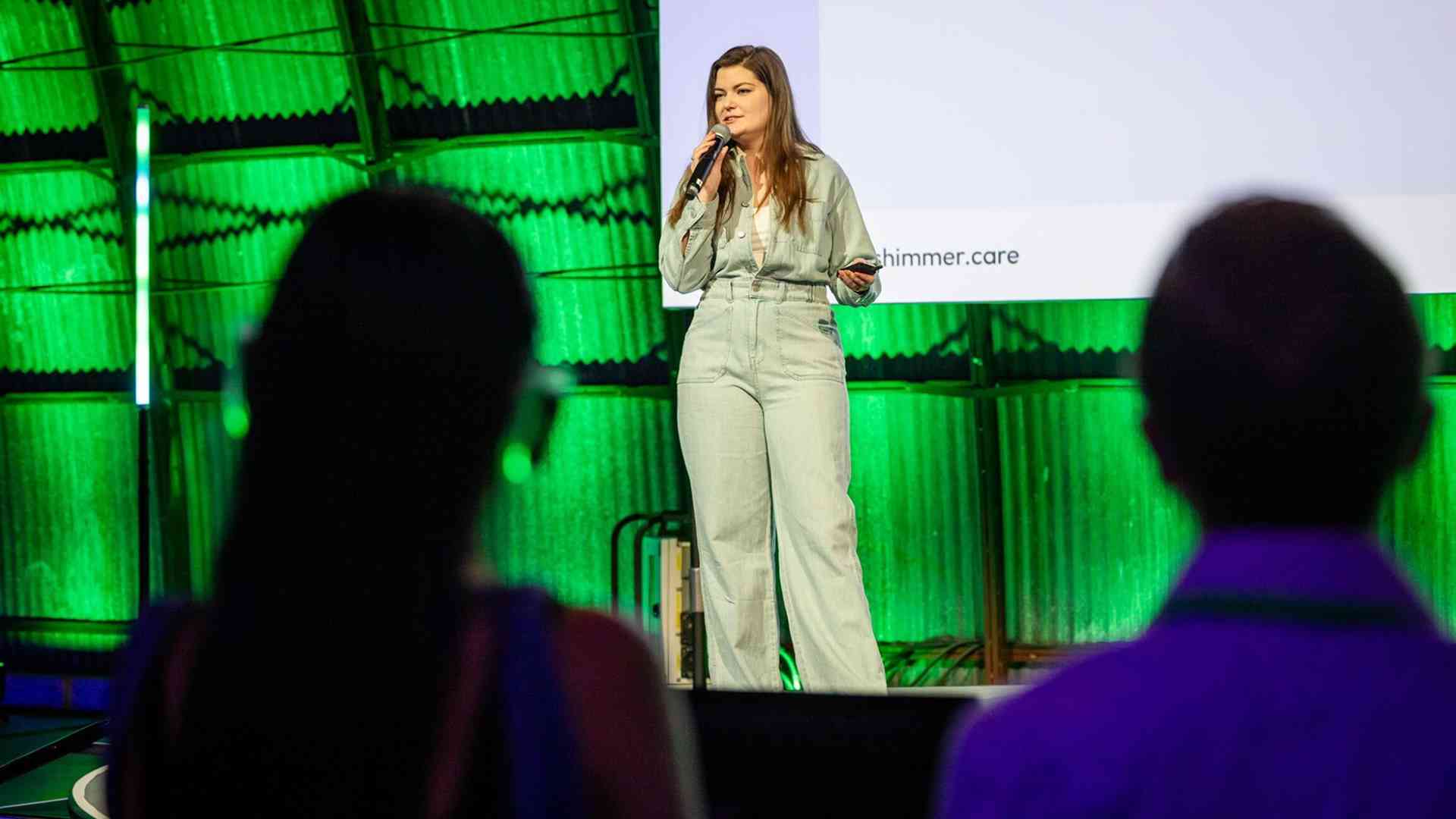
The Need for Non-Clinical Support
While medications are often considered first-line treatment for ADHD, alone, they do not always lead to improvement in wellbeing and quality of life. Areas such as self-regulation, organization, planning, and time management often remain challenging even when medication is used.
Research shows that non-clinical and psychosocial supports are an essential part of comprehensive ADHD care. Goal-oriented, skills-based supports, including ADHD coaching, psychoeducation, and peer learning, have been shown to help people sustain motivation and improve quality of life. These approaches go beyond reducing symptoms to improve real-life functioning and wellbeing, while also fostering positive identity development, self-compassion, and resilience.
Without non-clinical psychosocial support, ADHD care is incomplete.
The Shimmer Research Lab
ADHD coaching is a rapidly expanding field, and Shimmer is committed to strengthening its foundation.
We see our unique role as both researchers-practitioners: applying insights from established evidence-based fields while also generating new knowledge through original research. With the collective experience of our coaches and members, we’re able to study what works in practice, what supports well-being, what clients value most, and move toward truly scalable, effective ADHD care.
By sharing these insights, we aim to set benchmarks for best practice, advance the evidence base, and ensure that progress in this field benefits individuals with ADHD as well as the wider professional community.
Proud presenters at



The Hero’s Journey
The Shimmer research team developed a multi-dimensional working model of individualized ADHD coaching, mapping key functional life areas, executive function domains, and psychological processes addressed through the coaching journey. The purpose of the model is to support more contextual, dynamic, and outcomes-informed coaching practice.
We tested this model through rapid case studies which included both coach and client perspectives. The results showed that ADHD coaching goes far beyond task management. It necessarily includes life-span perspectives and supporting growth in positive self-concept, emotional regulation, motivation, values, behavior patterns, and social relationships.
Interpretive Phenomenological Analysis
Traditional clinical ADHD and executive functioning assessments are designed to compare against a “normal,” "neurotypical" brain. And, unfortunately, these tools aren’t sensitive enough to the myriad ways in which ADHD can impact human identity, cognition, emotion, and behavior.
To address this, we used interpretive phenomenological analysis, a research method that examines how people make sense of their lived experiences. By analyzing the words and stories shared by the ADHD community, we identified recurring themes in how individuals describe their challenges.
From these themes, we developed the Shimmer Mastery framework, a reflective tool designed to help members better understand their ADHD and see how it plays out across three key domains of everyday life.
Management of time: how we relate to the past, present, and future
Getting things done: starting, following through, and completing a project
Pause (Emotional regulation): pausing, generating options, and implementing solutions even when under pressure
Practice-based evidence of ADHD Coaching: Localized Delphi Study
The Shimmer Research Lab brought together a council of our experienced ADHD coaches to share real-world insights from their work with clients. Through dozens of case study submissions, we captured their collective wisdom and identified the practices that make the biggest difference in ADHD coaching.
The study was designed to support coach development and increase the field’s credibility, while allowing practitioners to retain their own philosophies and coaching styles.
This type of study aims at exploring the practice-based evidence on the ground to infuse the already established methods in the field of neurodiversity-focused coaching.
The Tools Behind Our Ecosystem
Every part of Shimmer is intentionally designed to support ADHD in ways that are practical, evidence-informed, and sustainable:
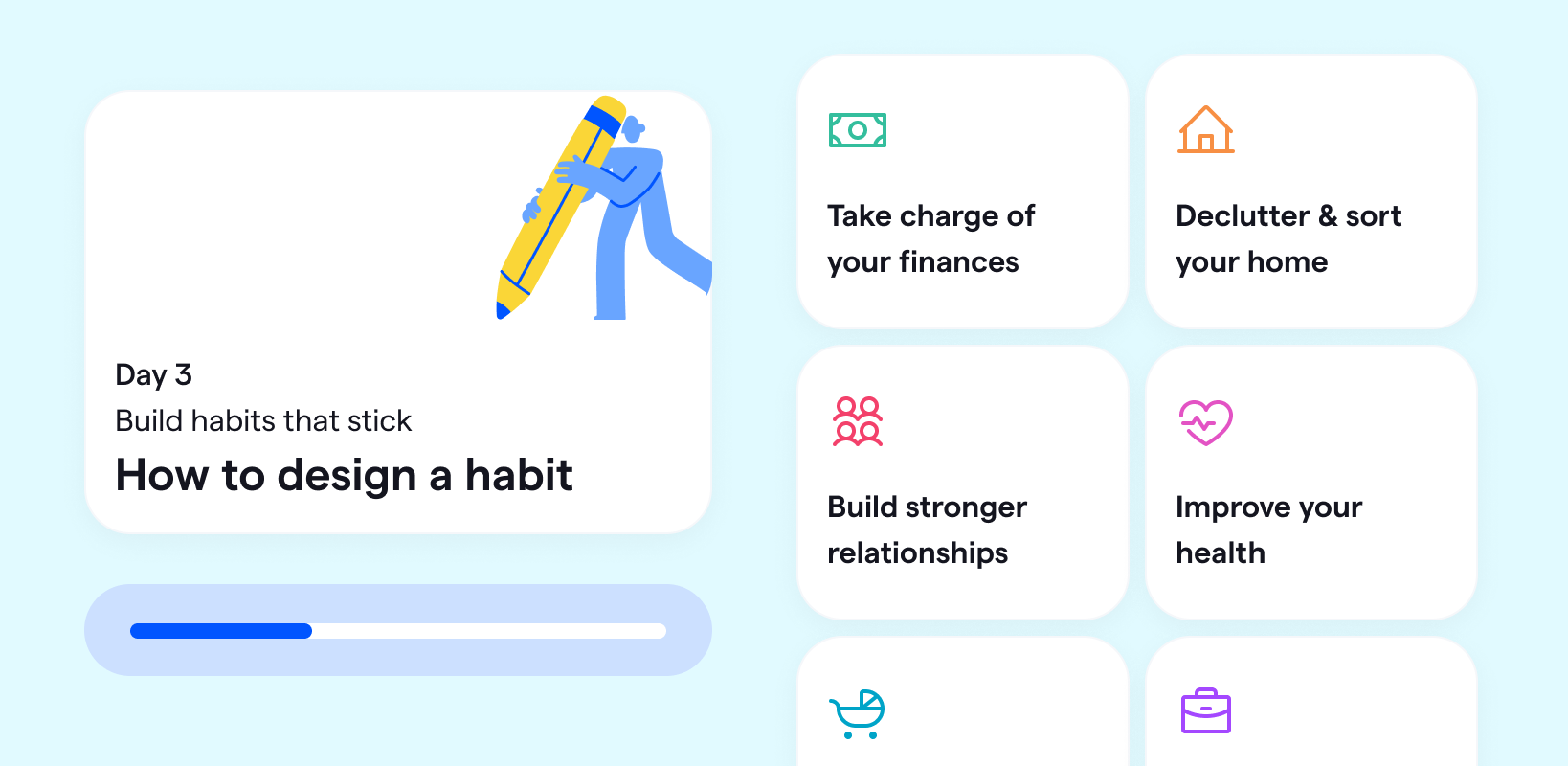
Learning Journeys
Bite-sized, asynchronous learning experiences with AI integration that supports metacognition and reflective practice.
Informed by theories focused on adult learning and behavioural sciences.
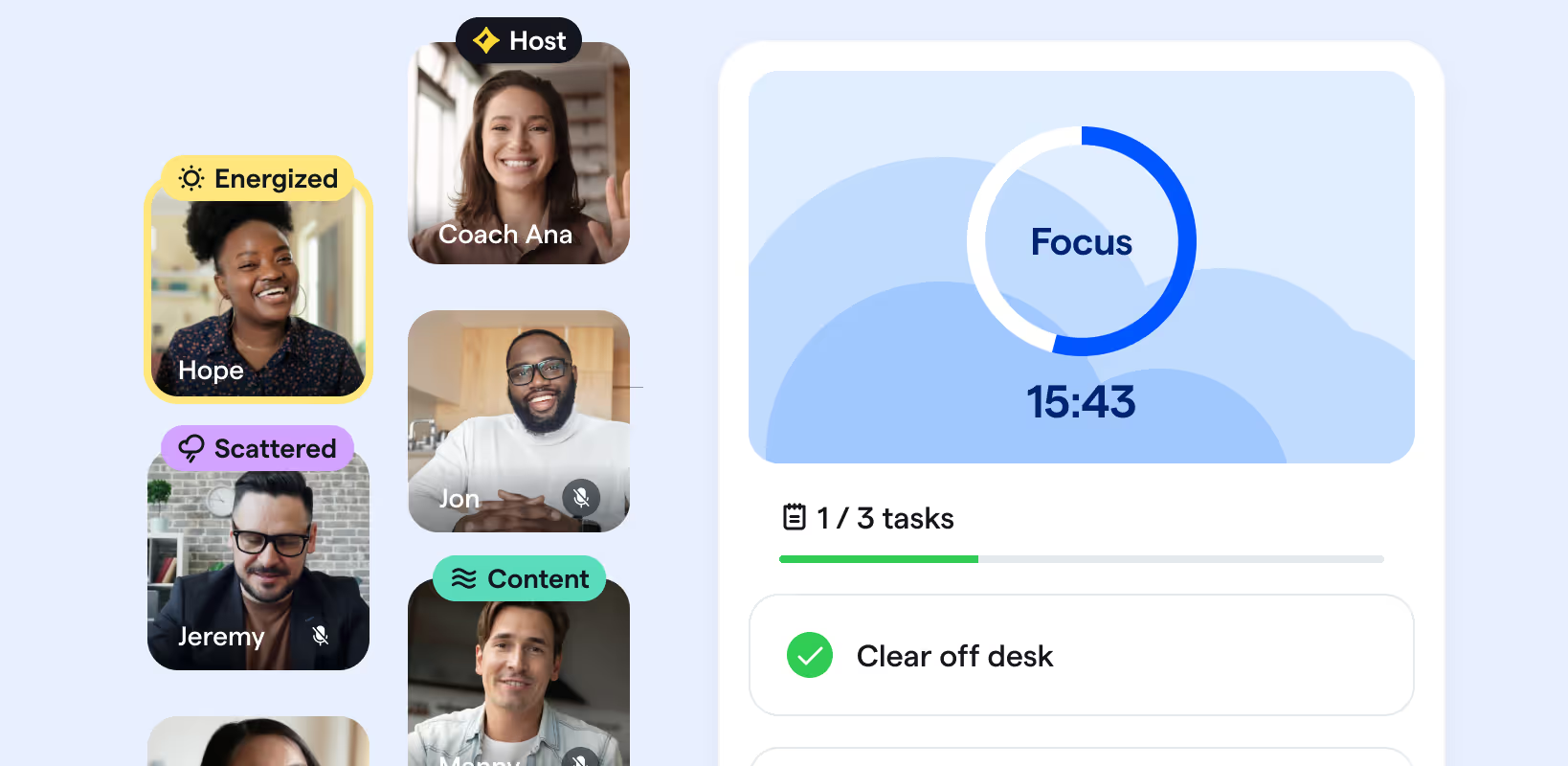
Body Doubling
Daily co-working sessions hosted by Shimmer coaches where shared presence enhances focus, persistence, and task completion.
Informed by research on social learning and interpersonal neuroscience.
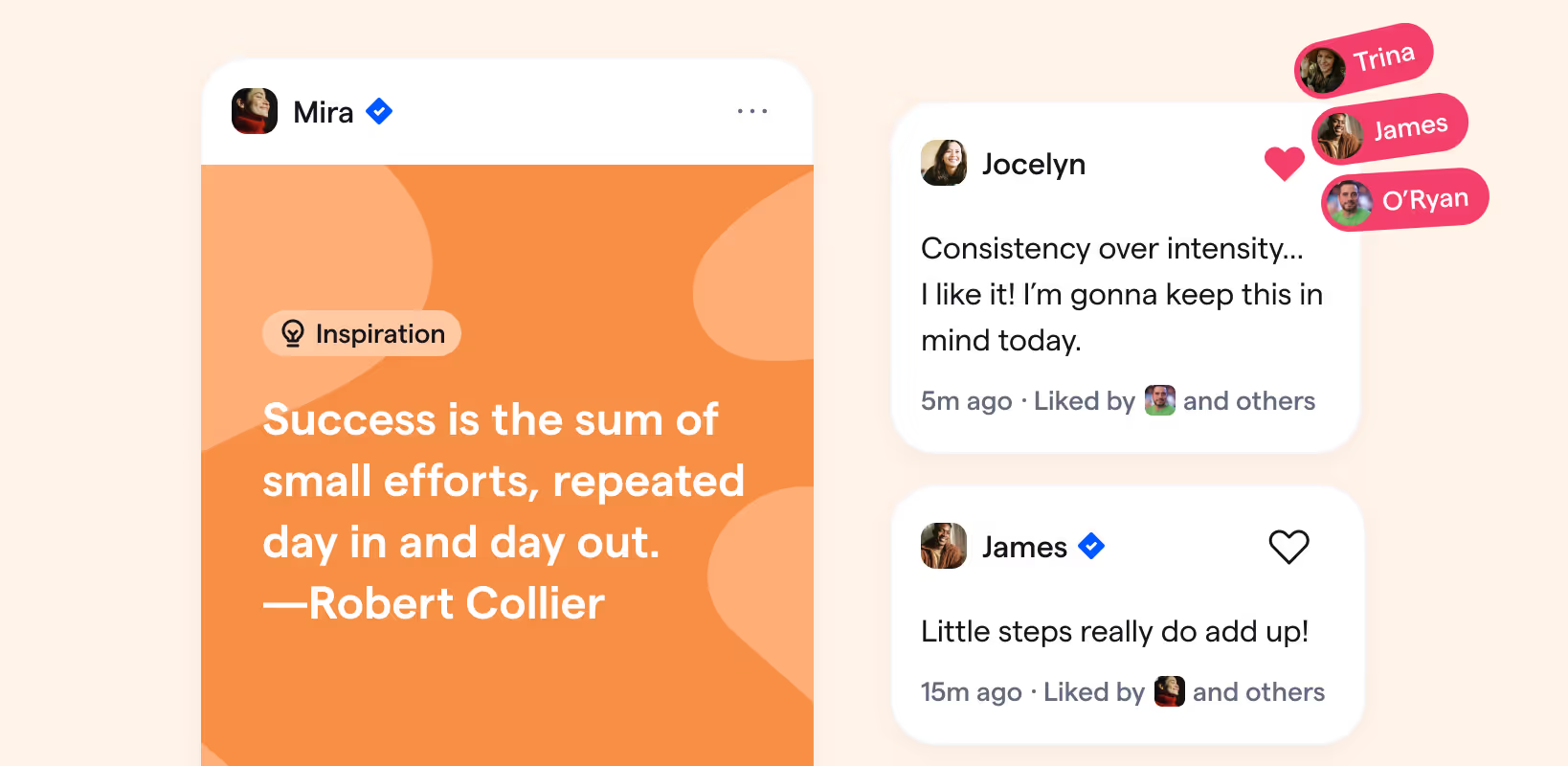
Insights Feed
Stream of collective wisdom and growth from coaching sessions and learning journeys that facilitate discussion amongst members.
Drawing from the science of self-determination and social psychology insights.
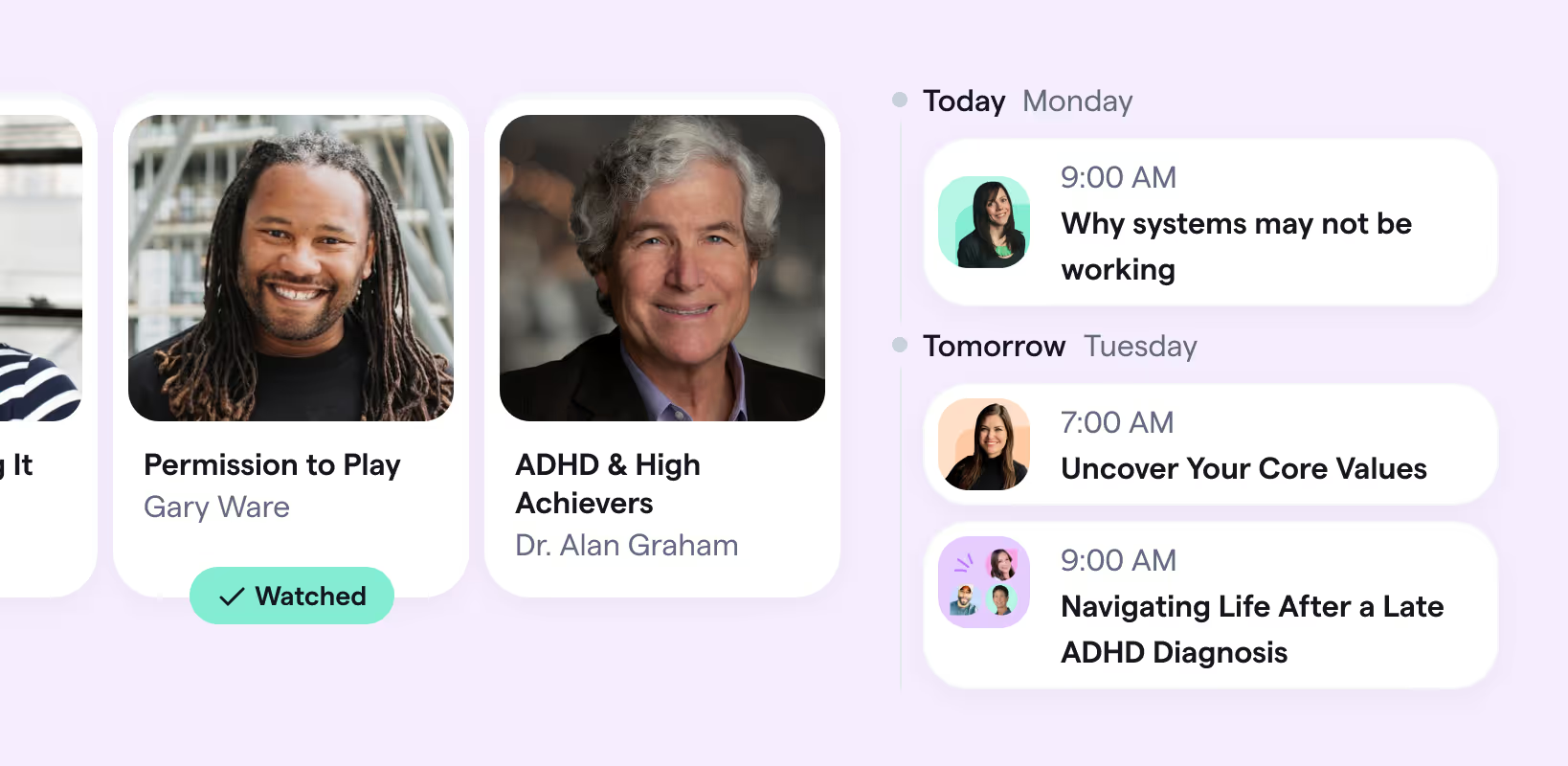
Workshops
Interactive group sessions on core ADHD-related topics that combine psycho-education and peer-to-peer learning.
Informed by Communities of Practice research and topic-specific literature, and reviewed by Shimmer’s senior care leadership for quality and accuracy.
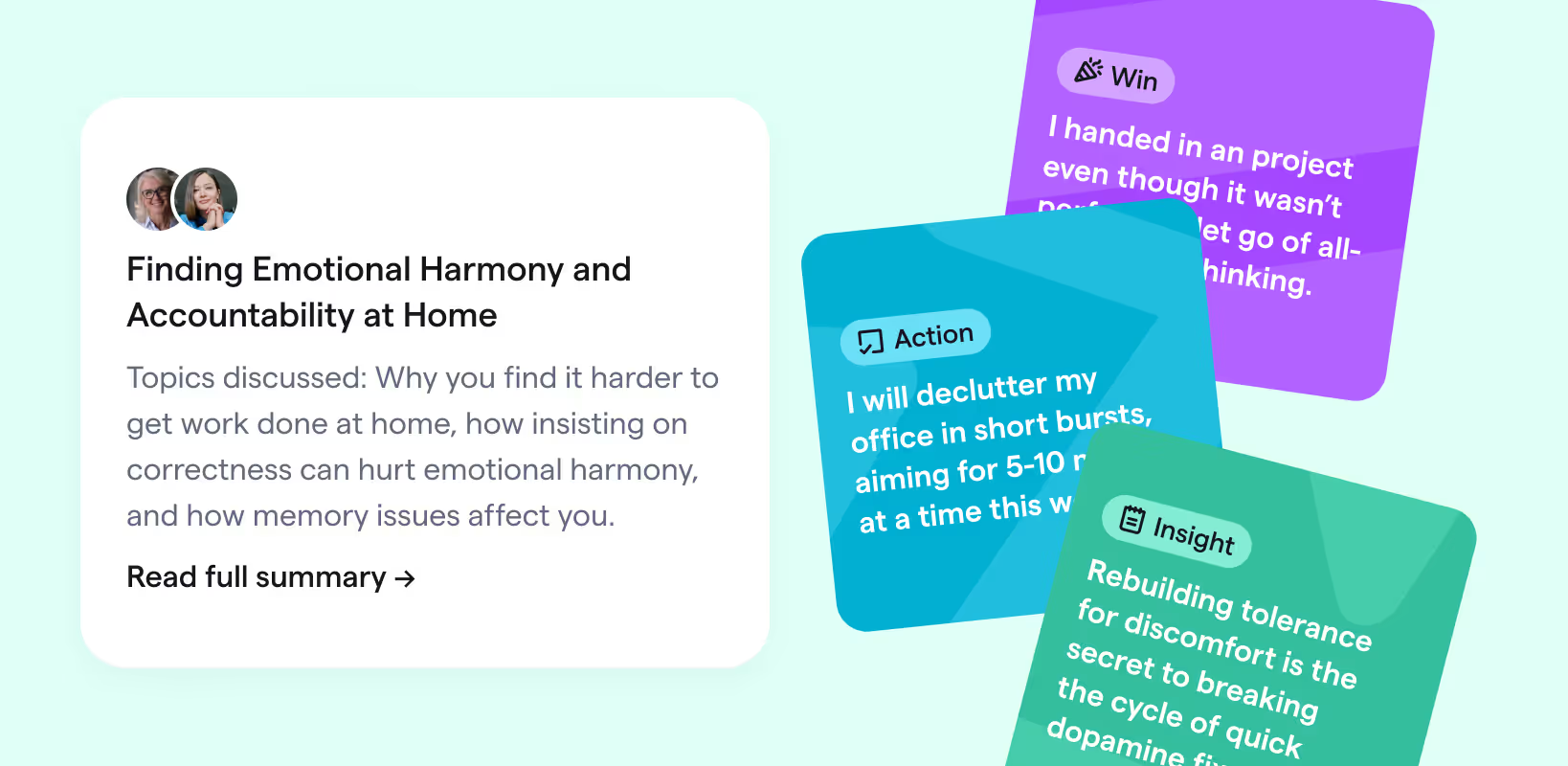
AI Integration
Clear session summaries, surfacing of insights, and supportive progress tracking to reduce the cognitive load for both neurodivergent members and coaches, with privacy and confidentiality in mind.
Informed by cognitive science and guided by multi-level evolutionary models of executive functioning.
Shimmer triple vantage point: Person, Practitioner & Tech
Shimmer occupies a unique position in the ADHD support ecosystem: we serve both individuals with ADHD and the practitioners who work with them. We also hold expertise in digital tools, data practices and technology which is there to support those with ADHD.
This triple perspective allows us to generate practice-based evidence, identifying not only what members report as effective, but also what practitioners need to deliver high-quality, sustainable care through the use of modern digital tools.
Our capabilities allow us to move beyond isolated case reports to identify patterns that inform person-centered, scalable, evidence-informed models of care fit for the digital age.

Coaching research leadership
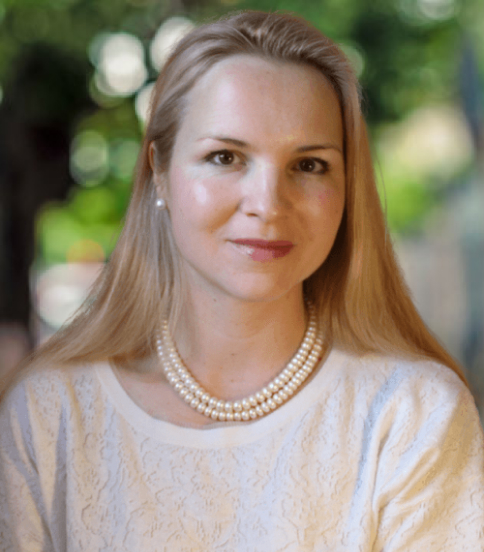
MBA, Senior Practitioner & Supervisor EMCC, NBC-HWC
Xenia is a coaching psychologist (UK BPS accred.) who holds a number of postgraduate degrees in neurodevelopment, neurodiversity coaching, psychology and technology. She has had a rich career which includes senior research roles in public service. Xenia is a Fellow Member of the CIPD and CIArb in recognition of her work in leadership development and conflict resolution fields.

PCC, NBC-HWC
Alex has unparalleled knowledge of modern coaching and has received extensive training from some of the most respected organizations in coaching psychology. Alex holds a Master's degree in Psychology and certifications as a National Board Certified Health and Wellness Coach (NBC-HWC), Professional Certified Coach (PCC) at the International Coaching Federation, and Lifestyle Medicine Coach. She brings deep coaching expertise to her work, upholding the highest standards of neurodivergent care and ethics.